
Does Travel Insurance Cover Stolen Items? A Comprehensive Guide
Traveling can be one of the most enriching experiences, but it also comes with its share of risks. One of the potential issues that many travelers face is the theft of personal belongings while on the road. This raises a critical question: does travel insurance cover stolen luggage? Understanding travel insurance can be complicated, and many people are unsure of what their policy includes when it comes to theft. In this article, we will explore the nuances of travel insurance and delve into what you need to know about coverage for stolen items.
Understanding Travel Insurance
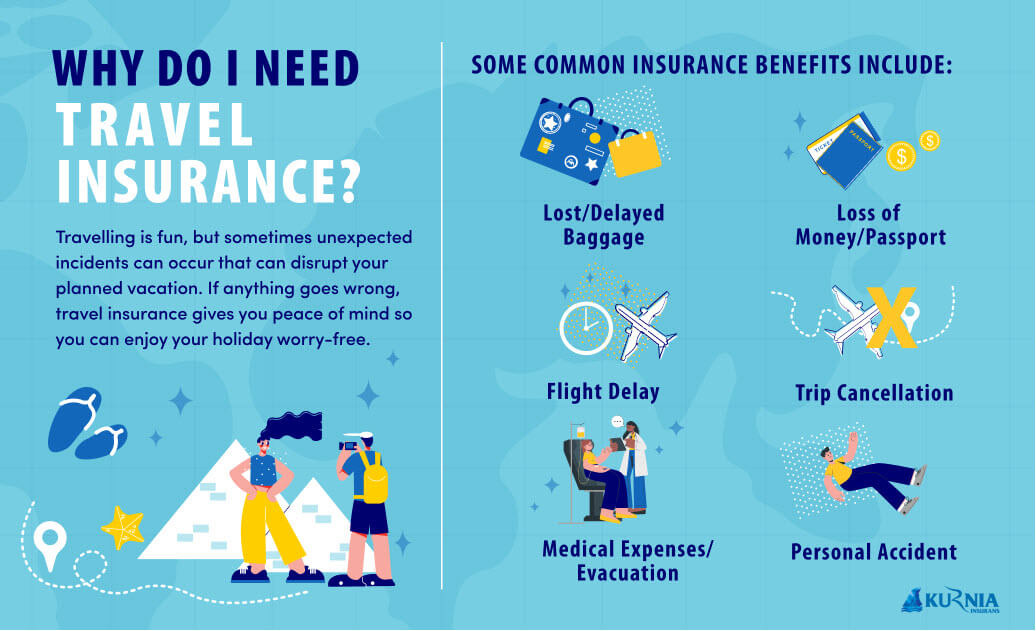
Travel insurance is a specialized form of insurance that protects travelers from various risks associated with traveling. These can include unexpected cancellations, medical emergencies, and even the theft of personal items. While the specific terms and coverage can vary greatly between policies and providers, most travel insurance plans can be broadly categorized into three main types:
- Trip Cancellation Insurance: Provides reimbursement for non-refundable costs in case your trip is canceled due to covered reasons.
- Medical Insurance: Covers medical expenses incurred due to illness or injury during your trip.
- Property Insurance: Covers loss, theft, or damage to personal belongings, including luggage and electronics.
Does Travel Insurance Cover Stolen Items?
The answer to whether travel insurance covers stolen items largely depends on the type of coverage you purchase and the specific terms of your policy. Most travel insurance policies include a property insurance component that can cover theft. However, there are essential factors to consider:
1. Scope of Coverage
Not all travel insurance policies are created equal. Some may offer comprehensive coverage for theft, while others might have specific exclusions. It’s crucial to read the fine print and understand what your policy covers. Typically, stolen items may be covered up to a certain limit, and high-value items (like expensive electronics) often require additional coverage or riders.
2. Proof of Ownership
To file a claim for stolen items, you’ll often need to provide proof of ownership, which can include receipts, photographs, or warranty information. Without adequate proof, your claim may be denied or significantly reduced.
3. Policy Deductibles
Many policies include deductibles that can affect the amount you receive in case of a claim. For example, if your policy has a $100 deductible and you incur $500 in losses due to theft, you’ll only receive $400 after the deductible is applied.
4. Time Limit for Reporting Theft
Most insurance providers require that you report theft as soon as possible, typically within 24 hours. Failing to report an incident promptly may result in denial of your claim.
Situations Where Theft Coverage May Apply
Theft coverage in travel insurance often extends to a variety of scenarios. Here are some common situations where your policy may provide coverage:
- Theft from Hotel Rooms: If your belongings are stolen from your hotel room, most travel insurance policies would cover it, provided you took reasonable security measures.
- Theft During Travel: Whether on public transport or at an airport, if your luggage is stolen or items are taken from your person, you may be eligible for coverage.
- Loss while at a Destination: If items are stolen during your stay at a destination, like while you’re enjoying local attractions, this may fall under your travel insurance coverage as well.
Common Exclusions
Just as there are situations where travel insurance may cover theft, there are also common exclusions that you should be aware of:
- Negligence: If you leave your belongings unattended or fail to secure them properly, your claim may be denied.
- High-Value Items: Items like jewelry, electronics, or expensive equipment may not be fully covered unless specifically added to your policy.
- Loss of Cash: Many policies do not cover the loss of cash or traveler’s checks.
Choosing the Right Travel Insurance Policy
When considering travel insurance, it’s essential to assess your personal needs, the destinations you plan to visit, and the types of activities you will engage in. Here are some tips for selecting the right policy:
- Read Reviews and Compare Policies: Look for customer reviews and comparisons to find the best coverage options.
- Understand the Policy Limitations: Pay close attention to coverage limits and exclusions.
- Ask Questions: If you’re unsure about specifics, contact the insurance provider for clarity on what is included in the policy.
Conclusion
Traveling should be an enjoyable experience, and having the right insurance coverage can provide peace of mind. Knowing whether travel insurance covers stolen items can make a significant difference in how you handle unexpected issues during your trip. Always do your research, understand your coverage, and be prepared to provide necessary documentation in case of a theft. By taking these steps, you can travel more confidently, knowing that you’re protected against potential losses.